

Which workshops in meat processing plants require foam cleaning?
Foam cleaning isn't just another task—it's a game-changer for keeping meat processing plants truly clean. You don't just use it because a rule says
so. You use it based on how messy an area gets and how risky it is for germs. Think of it like this: some spots need heavy-duty cleaning, while
others need a good, solid wash.
So, what's the big deal about foam? It's basically bubbles mixed with cleaner. The foam sticks to surfaces way longer than liquid sprays, so the
cleaner has time to really work. This solves two everyday headaches in meat plants:
1) Cleaning walls or ceilings without the product just dripping off.2) Getting into all the nooks and crannies of complicated equipment.
 清洁墙壁或天花板.png)
 清洁复杂设备的各个角落和缝隙 (1).png)
 清洁复杂设备的各个角落和缝隙 (2).png)
Here's where foam cleaning is a must:
1. The High-Risk "Clean Zones"
These are the areas where your product is out in the open or handled after cooking. They need the deepest clean possible.
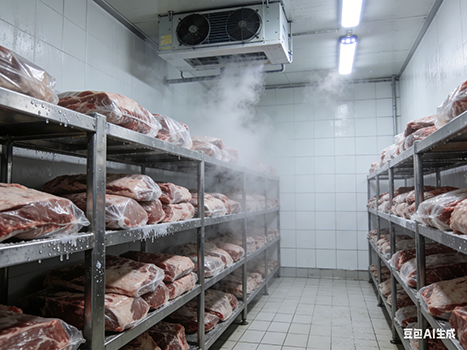
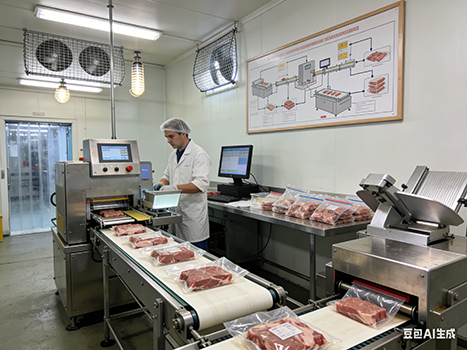
The Cold and Packing Rooms:
Think cooling areas and where vacuum packing happens. These places are cold and damp, perfect for nasty bugs like Listeria to grow. Foam clings
to wet walls and belts, letting the disinfectant sit and do its job properly.
Ready-to-Eat Zones:
This is where you can't take any chances. Even tiny bits of leftover food can hide dangerous bacteria. Foam lets strong cleaners sit on tricky spots
like blade hinges and equipment gaps, breaking down invisible germ layers called biofilms.
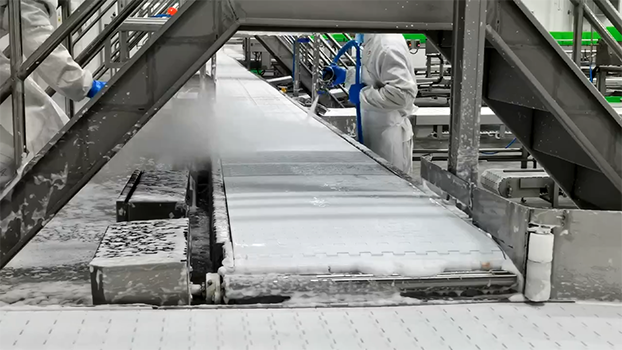
Many plants test these areas (with tools like ATP swabs) to make sure they're clean. Because foam cleaning is consistent and easy to check, it
makes passing these critical tests much simpler.
2. The Messy "Medium-Risk Zones"
These are the busy areas where raw or processing happens—before cooking or where products are still wrapped. They're full of grease, blood, and
protein gunk.
The Greasy Workshops:
This includes cooking rooms (like smokeries), marinating tumblers, and primary cutting floors. Equipment here gets caked with fat and protein.
Foam is perfect for coating the complex insides of smokers and tumblers, letting the cleaners break down that tough grime.
.png)
.png)
.png)
The Golden Rule: Clean FIRST, then disinfect. Disinfectant can't kill germs hiding under a layer of grease. The special ingredients in foam cleaners
lift and dissolve that meaty mess first, which is the only way the next disinfecting step can work.
Stopping Slime in its Tracks: Wet equipment like tumbler drums and pipes can grow a slippery bacterial layer called biofilm. Using foam cleaners
regularly to prevent this is a smart, low-cost move. It's much cheaper than shutting down the line or recalling products later!
.png)
.png)
.png)
It's not about the room's name on a map. It's about how dirty it gets and how that affects food safety. Foam cleaning is essential in your key areas—
from packing rooms to cooking lines—because it tackles the unique grease and protein mess of a meat plant. It gives the cleaner time to work on
every surface, setting the stage for a truly effective and safe disinfection process. This isn't just about looking clean; it's about being clean.


