

Cleaning and Disinfection in A Food Processing Plants
Making sure food is safe is the top priority in food processing plants. Even a small slip-up can lead to contamination, recalls, and serious
health risks for people. That's why good cleaning and disinfecting are so important—they help make sure the food we eat is safe. Here,
we'll walk through the key parts of cleaning and disinfecting in food factories, from how staff stay clean to daily cleaning routines, and touch
on some of the rules and real-world examples that guide the process.
Keeping People Clean: personnel cleaning and disinfection
Why Personal Hygiene Really Matters
First things first—how clean the staff are makes a huge difference. Employees are the first line of defense against contamination in food
areas. If they aren't careful, they can accidentally carry germs from one spot to another.
ed_56306.jpg)
.png)
.png)
.jpg.png)
Handwashing and Sanitizing
Before stepping into production areas, everyone needs to wash and sanitize their hands. It's a simple but crucial step to cut down on
spreading bacteria and other harmful germs. To make it easy, many food plants now have touch-free hygiene stations so staff can quickly
wash up without any hassle.
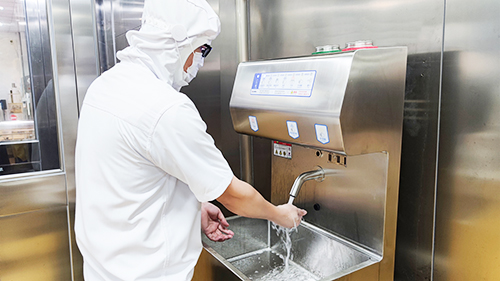
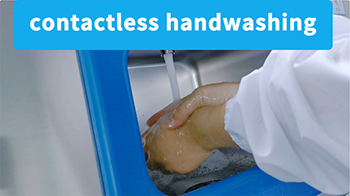

Studies back this up—like one in the Journal of Food Protection that found proper handwashing really does lower the spread of foodborne
illness. Groups like the WHO and the CDC also spell out clear hand hygiene guidelines, especially for places like food factories.
Cleaning and Disinfecting Footwear
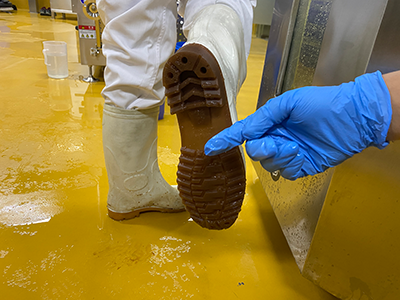
Another big part of keeping clean is making sure work shoes or boots aren’t carrying anything harmful. Shoes can easily pick up dirt and
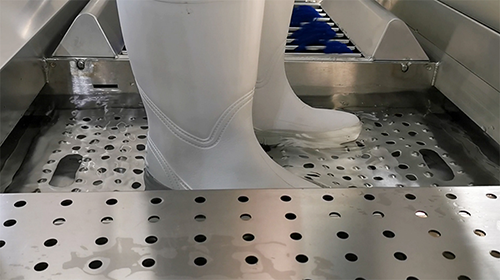
germs and track them into processing areas. That's why a good hygiene station often includes a boot cleaner—so employees can scrub off
dirt and sanitize their footwear before entering and after leaving the workshop.
.jpg.png)
.jpg.png)
Research shows that cleaning boots cuts contamination risks. Adding boot sanitizers doesn't just protect the food—it also helps build a
stronger safety mindset around the workplace.
Cleaning Up the Workshop: Open Plant Cleaning
On top of personal hygiene, the factory itself needs regular deep cleaning. At the end of each day, everything in the processing area—
equipment, conveyor belts, floors, and drains—has to be thoroughly cleaned and disinfected.
.png)
.jpg)
.png)
.jpg)
.jpg)
The Daily Cleanup Routine
A solid cleaning plan usually involves a few key steps:
●Quick Walk-Through: Before cleaning kicks off, take a look around to spot any areas that need extra care.
●Wiping Things Down: Start by clearing away any visible grime or debris. This step is important because sanitizers work better on surfaces
that are already clean.
●Foam Cleaning: Here’s where foam cleaning machines come in. They spray a special clinging foam that really gets into nooks and
crannies, breaking down grease and stuck-on messes.
.jpg)
.jpg)
Using foam cleaners isn’t just a good idea—it’s backed by standards like BRCGS, which highlights the need for the right cleaning methods
to keep food contact surfaces truly clean.
Why Foam Cleaning Machines Shine?
Foam cleaners don’t just clean well—they also save water. The foam sticks to surfaces longer, giving cleaners time to really break down fats
and residue.
In one real case, a big food processor started using foam cleaners and cut cleaning time by 30% while actually doing a better job at meeting
food safety rules. It goes to show that putting money into better cleaning tools can really pay off.
Disinfecting After Cleaning
Once everything’s clean, it’s time to disinfect. Sanitizers need to be applied thoroughly over all surfaces and equipment. The disinfectant
used should follow guidelines from groups like the FDA and EPA, which list products that work well against common bacteria and viruses in
food settings.
A study by the American Institute of Baking (AIB) found that plants that skimped on disinfecting had more contamination issues during
inspections. Sticking to the guidelines isn’t just about checking boxes—it keeps the food itself protected.
Keeping Track and Improving
To make sure cleaning and disinfecting are working, it helps to keep clear records—what was cleaned, when, and what the results were.
This isn’t just paperwork for the sake of it:
●Meeting the Rules: Inspectors often want to see cleaning logs to know you’re following standards.●Finding Ways to Do Better: Looking over cleaning records can show patterns and spots that need improvement, helping the team keep
raising the bar.
●Training and Ownership: When cleaning steps are written down, it reminds everyone how important they are and keeps staff accountable.
Good cleaning and disinfecting are must-haves for food safety in processing plants. From staff hygiene to daily scrubbing and smart tools
like foam cleaners, every piece plays a part in keeping food—and people—safe.
By following trusted guidelines, using effective cleaning gear, and building a culture that values cleanliness, food makers can seriously step
up their food safety game. Meeting standards from groups like BRCGS, AIB, and the FDA doesn’t just reduce risk—it also builds trust with
customers.
Putting time and resources into solid cleaning practices is an investment in quality and peace of mind. With the right approach, food plants
can hit high hygiene marks and help meet the demand for safe, reliable food products.


