

BRCGS Food Factory Hygiene Failures and How to Fix Them
Achieving and maintaining BRCGS certification is a cornerstone of credibility for food manufacturers. Yet, during audits, recurring hygiene failures often emerge, not from a lack of effort,
but from gaps in system design and execution. Understanding these common pitfalls and their solutions is key to building a robust, audit-ready hygiene defense.
Common Failure 1: Ineffective or Unverified Cleaning Procedures
The Failure:
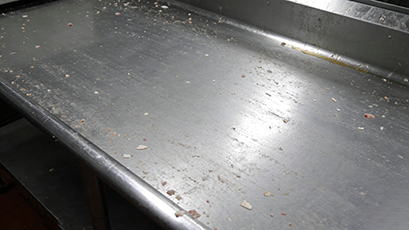
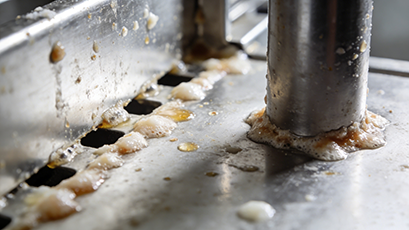
Documented cleaning schedules exist, but procedures are generic, frequencies are arbitrary, and effectiveness is not verified. Swab tests or ATP monitoring results are inconsistent or not
used to validate the cleaning method.
The Fix:
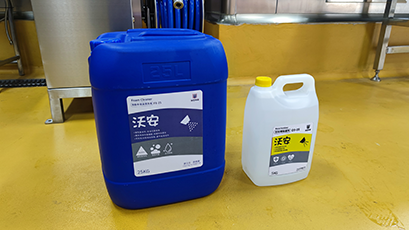
Implement risk-based cleaning. Define cleaning methods, chemicals, and frequencies based on the actual product and soil type (e.g., fat, protein, carbohydrate). Establish clear,
measurable acceptance criteria (e.g., ATP RLU limits, visual standards) for food contact surfaces. Use monitoring data not just for records, but to validate and adjust the cleaning protocol
itself, closing the loop.
Common Failure 2: Poor Maintenance of the Fabric and Environment
The Failure:
Damaged wall coatings, cracked floors, poorly sealed doors, or deteriorating ceiling tiles. These defects harbor pests, bacteria, and allergens, and make proper cleaning impossible.
The Fix:
Integrate fabric inspections into the internal audit program. Schedule regular, documented checks of walls, floors, ceilings, and doors. Prioritize repairs based on risk—issues in high-care
areas must be addressed immediately. Maintenance is not just an engineering task but a core food safety prerequisite.
Common Failure 3: Weak Personnel Hygiene Practices & Facility Design
The Failure:
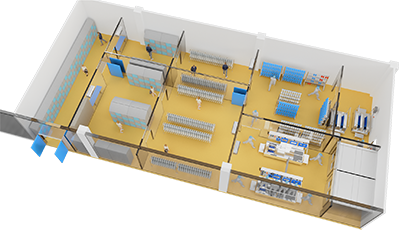
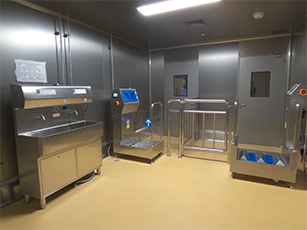
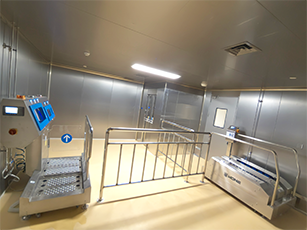
Handwashing stations are poorly located or maintained; changing rooms allow direct access from low-risk to high-risk areas; footwear hygiene is uncontrolled. This leads to human-borne
contamination.
The Fix:
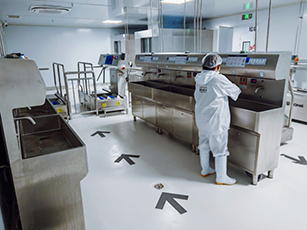
Redesign flow and enforce compliance through engineering controls. Ensure changing rooms follow a logical, one-way sequence (street clothes → changing → handwash → production).
Install well-maintained, mandatory hygiene stations at zone entries, combining handwashing and boot cleaning/sanitizing. Use training and signage, but rely more on physical design that
makes the correct hygiene practice the easiest path.
Common Failure 4: Inadequate Pest Control as a Monitoring System
The Failure:
Pest control is treated as a mere "bait-and-spray" service. Records are incomplete, trend analysis is absent, and corrective actions for findings are not linked to root cause (e.g., a door
seal gap).
The Fix:
Treat the pest contractor as an extension of your monitoring team. Require detailed reports with trend maps. Integrate pest findings into your corrective action and preventive action
(CAPA) system. Every pest activity should trigger an investigation into how the pest entered and harbored, leading to a physical repair or practice change, not just more bait.
Fixing BRCGS hygiene failures requires shifting from a reactive, checklist mentality to a proactive, risk-based management system. The solution lies in integrating hygiene into daily
operations: validating cleaning, maintaining the building as a food safety asset, designing people flows for safety, and using all monitoring data—from ATP swabs to pest maps—to drive
continuous improvement. Ultimately, the goal is to build a hygiene culture where excellent practices are sustained not just for the audit, but for the inherent safety of every product.


